


Our first year of having goats on our permaculture farm has come to an end, making it the perfect time to write about it! Before diving in, I want to note that I’m not an expert in livestock farming. We are nature enthusiasts who swapped city life for a rolling valley in Normandy. In this article, I’ll share our experiences after one year with goats on our permaculture farm. I’ll also explain how we care for them and how we make cheese and soap after milking them.
Grazing Goats in Permaculture
Online, you’ll often see grazers like goats and sheep featured in permaculture designs. They’re fantastic for improving soil by eating grass and other plants, and their manure adds organic material to the land. However, goats come with downsides and are almost always discouraged for beginners because of their strong desire to eat young trees. Despite this, we brought six goats to our land this year. Why? I’ll explain that in this article, along with the pros and cons we experienced over the year. I’ll also share useful tips for those who want to start keeping and milking goats.

Our start in France
As I write this article, we are beginning our third year here in France. On January 4, 2023, we arrived in Normandy with a full trailer and high hopes as our permaculture adventure began. If you’re curious about what led us to move, you can read our article “Where It All Started”.
In February of our second year, six goats arrived on our land. From the start, we wanted to include grazers in our project. We always found goats to be fun animals. I once worked in a petting farm, and the goats always had so much personality. The problem was that many permaculture books and online resources strongly advised against keeping goats. For that reason, we initially decided on sheep: they’re less prone to escaping and less likely to eat your young trees.
Yet it was goats that arrived in February. This happened because a friend of our neighbor Chris was experiencing health issues, and we were able to take over her six goats for the price of two sheep. When we went to see the animals, we were instantly enthusiastic. As an added bonus, three of the six goats were pregnant, allowing us to start milking in our very first year.
We had already done some research into the type of goat or sheep we wanted. We agreed that it had to be a so-called “heritage breed.” These are breeds traditionally found in specific regions, untouched by modern industrial crossbreeding aimed at increasing milk or meat production. Heritage breeds are more resilient and better suited to the local climate. In our area, the heritage goat breed is the “Chevre de Fosse,” or “ditch goat” in English. This breed thrives on wet fields without easily developing hoof rot. It was pure luck that the goats we adopted were of this very breed.
The Goat Shelter
We knew the goats would arrive in February, so we rushed to build a shelter in January. We wanted to use the principles of rotational grazing to maximize the grass’s potential. Overgrazing can harm your grass, but undergrazing—where a small number of animals graze a large field—can also cause problems. Grass can grow too tall, eventually collapse, and smother the soil. This is not a sustainable system.

We chose rotational grazing, which means adjusting the field size to the number of animals grazing it. The goats stay on one small field for a few days before being moved to the next one. This system ensures optimal use of the grass and reduces the risk of parasites, as the goats aren’t grazing over their own waste for long. It mimics natural savanna ecosystems where grazers constantly move. I learned about this in Alan Savory’s book Holistic Management, which I highly recommend.
Back to the shelter: we designed a covered pen with a 100 m² fenced area. We installed an electric cable around the pen to power the fencing. Additionally, we built three gates on different sides, allowing the goats access to various grazing areas.

Initially, the pen had an earthen floor, but we quickly realized it became dirty with urine. We poured a concrete floor, which made cleaning much easier. The shelter includes two water troughs, a hay rack, and a salt lick. When the grazing areas around the shelter are fully used, we set up the electric fence on a different patch of grass. The downside of this is that we need to bring the goats back to their shelter in the evening. The portable field has a small roof for rain protection and a water bucket. Note: goats are picky about water. They won’t drink from a bucket with green algae and can become dehydrated if you’re not careful. Milking goats, in particular, drink a lot of water for milk production. On sunny days, we sometimes refill their water twice daily.

The goats initially worked hard to escape, and they often succeeded. After several adjustments, they rarely escape anymore. Before kidding, we separated the females from the males and built a movable shelter for the bucks.
Baby Goats
In early March, six baby goats were born. Five were healthy, but one, Knofje, was very small. Her mother wouldn’t let her nurse, so we bottle-fed her at first. Later, she was allowed to nurse from multiple goats, and eventually only from her mother. We continued bottle-feeding her for a while to ensure her survival.
In conventional farming, baby goats are often separated from their mothers within hours, but ours stayed with their moms for three months. During this time, we dewormed the mothers and kids and castrated the young males with special bands. Unfortunately, the goats also caught lice, which we treated with anti-lice shampoo.
At three months, the mothers naturally weaned their kids. That’s when we separated the young goats from their mothers and began milking.

Milking Goats
Milking was a challenge and something that YouTube tutorials couldn’t fully prepare us for. We built a milking platform in the shelter so the goats stood higher, making it easier to milk them. However, the first platform was inside the shelter, surrounded by goat droppings—not ideal for twice-daily visits.
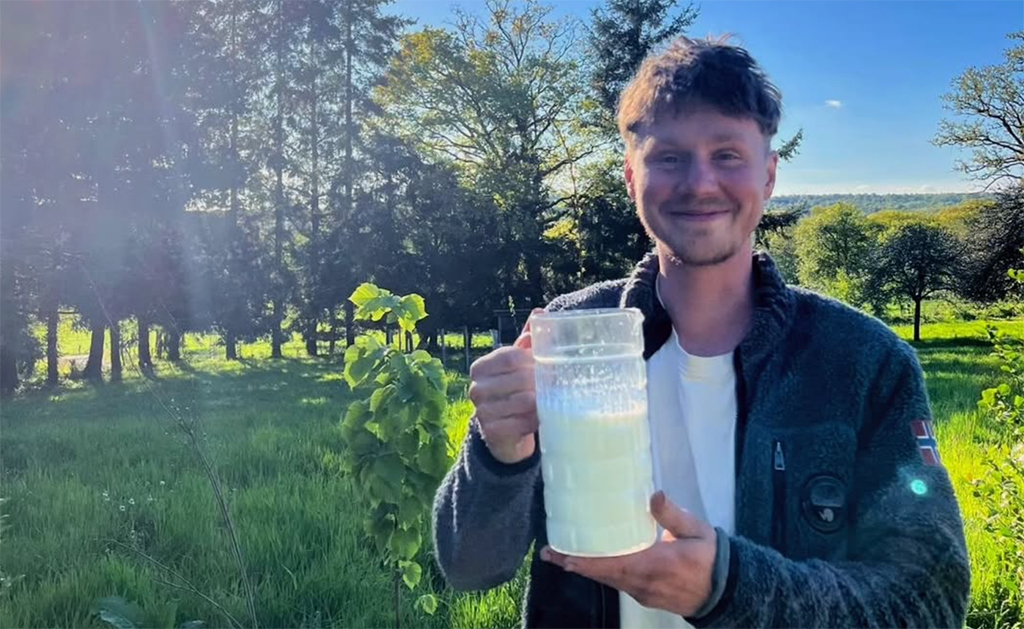
Later, we built the platform outside. With two small gates, the goats could access the platform for milking and return to the shelter afterward. After some practice, the goats now eagerly climb the platform themselves, as they receive a tasty snack during milking. Milking three goats now takes about 20 minutes, including cleaning their udders.
Morning and evening milking became peaceful moments for me, either early in the morning when everyone else was asleep or at sunset. The goats seem to enjoy it too—they can’t wait to jump onto the platform.
Making Cheese
Initially, we milked once daily and collected about 1.5 liters from three goats. We used the milk for breakfast cereals, overnight oats, and experimenting with yogurt and cheese.
Making cheese is something I really enjoy. At first, I made simple “farmer’s cheese” by heating milk and adding vinegar, resulting in a basic white cheese. I added salt, herbs, and fresh garlic and let the cheese mature in a small cupboard. However, fresh garlic and herbs caused quicker molding, which isn’t ideal for cheeses you want to age.
After a few months of experimenting, I decided to make more advanced cheese. I invested in proper materials, ordered rennet, and received kefir from our neighbor Josie to use as a starter culture. These are the three essentials for cheese: milk, rennet, and starter culture. Salt is optional but enhances flavor.
With everything in place, I started making a pecorino-style goat cheese. After some failed attempts, I’ve now got the process down. The biggest challenge is preventing mold on the outside, which can be washed off with salt water if necessary.
One cheese was aged for three months and served at Christmas. It was delicious and full of flavor. Despite the goats producing less milk in winter, it’s still enough for one cheese per week. Occasionally, we use the milk for other dishes, like béchamel sauce.
Making Soap
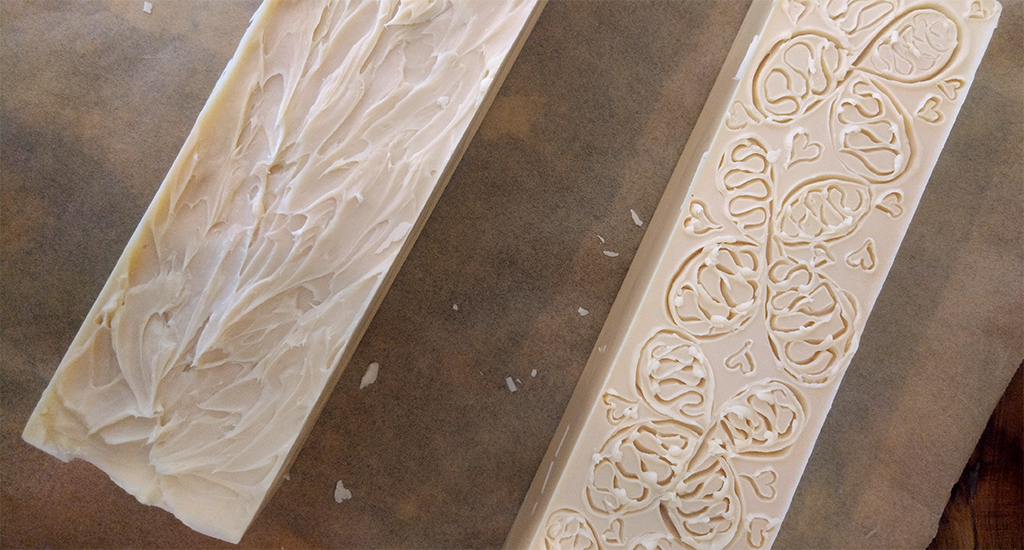
This year, we also began making goat milk soap. Inspired by a soap shop in Vitré, Brittany, we learned that goat milk soap hydrates the skin, soothes irritation, and is ideal for sensitive skin due to its natural fats. Combined with shea butter’s nourishing qualities, it’s the perfect soap. That’s how our Goat Milk Soap was born.
It’s fun mastering this process too. We make soap batches for ourselves, and any extras are offered to friends and others interested. If that’s you, feel free to email us or check our shop.
Workshops and mini eBook
We’ve summarized everything about goat care, rotational grazing methods, shelters, milking, and tips for keeping goats inside electric fencing in a mini eBook (ePDF) titles “What nobody tells you about raising goats”. We wish we’d had this guide before we started! You can order it for only €3,- at the bottom of this article.
Would you like to learn more about making cheese or soap? Soon we will also sell mini eBooks with clear step-by-step guides on how to make goat cheese or goat milk soap bars. And… we are also planning on giving workshops if you want to practice it by hand.
