


We are nearly 11 months in and we just had the first frost of the year. You could say that the growing season has ended, a good time to look back at what we’ve learned and what we have grown.
We live here in the beautiful countryside of Normandy France. This was our first try in growing our own food as much as possible while renovating the house.
Overall we are very positive on how the garden performed this year. We had lots of harvests, healthy crops and healthy weeds. We were not sure at first but we are very lucky to have such fertility in our soil, all the worms are proof of this.
Self-sufficiency
We did not have our chicken compost facility until June so we didn’t have that much compost at our disposal from the start, so we had to buy potting soil to get our seedlings started. Next year we will try to grow on our self made potting soil using filtered compost. Our water wasn’t self-sufficient from the start either, we used water from the net until we installed our rain water collecting tank. Luckily we could use this in the driest period. It was crazy to see how much water was used at that time. Our generous neighbor let us fill up the tank a few times using the water from his pond.
Weed Control, mulch & cover crops.
Controlling the weeds in a permaculture garden is always a hot topic. You don’t want to be fighting them by constantly needing to weed so you try to outsmart them by making conditions unfavorable for them. We’ve started out by laying root-cloth on the soon to be gardens in start of winter in 2022 to give us a head start on the weeds. In early spring we removed the cloth and for the most part used a classic broadfork to loosen the soil but also did a part with a rotavator. Must say that the result of using a rotavator was good but the amount of violence it produces to the soil life and smell of the fossil fuels are reasons enough for us to minimize its usage. The soil does get very nice and loose because of it so if you have trouble with compacted soil it might be wise to rotavate one time to get rid of that compaction.
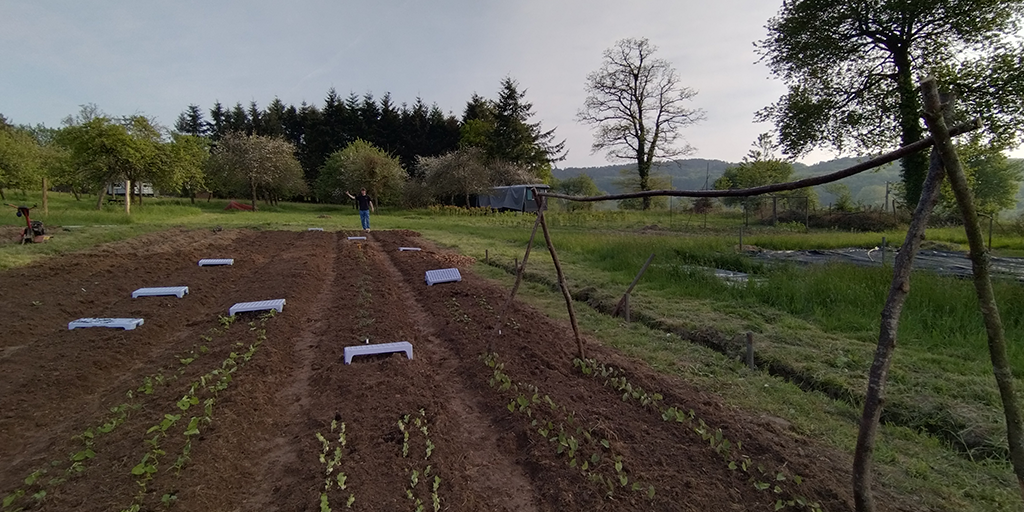
Further down in the season we did have some plants not performing well because of weed pressure like our dwarf beans and camomile. We hope to master the skill of mulching more and have more success with it like with our potatoes. We have had a very good potato harvest while using a big layer of straw mulch. With our chickens producing a fair amount of compost, we plan to use a layer of compost mulch on our garden beds next year. Mulching didn’t always go so well as with the potatoes. We had some straw mulch sprouting which made it look like we had sown grains between our veggies. Using cover crops was also a thing we wanted to try. We sowed clover with our leeks and it was partly successful. Way less weeds because we sowed a clover mix that included the crimson variety that grows tall. Some leeks seemed to have a hard time competing with the crimson clover. We ended up chopping and dropping the clover and the leeks are doing well.
Our successes
1. Must have plants
For anyone who wants to eat more self-sufficiently by growing their own food these plants are must haves. They can be relied upon for a long period throughout the season and are easy to grow.
1.1 Chard!
We love chard, the taste is not out of the ordinary but the fact that you plant it once and you can keep on harvesting all season. A bit like the Cavolo Nero but easy to grow just like a beetroot. We made delicious chard kimchi from it that will hopefully last until spring next year.
We have also grown a green type of chard. And like normal chard you can harvest leaves from the plant throughout the season. The difference is in the taste because the green variety tastes similar to spinach.
1.2 Cavolo Nero & Russian kale
These two types of kale are great because you can harvest the leafs from spring till winter. They are a bit harder to grow because snails and caterpillars love them two.
1.3 Beetroot
Beetroot is a very easy to grow plant that you can leave in the ground and harvest when you need them. Nice in salads, out of the oven or typical Dutch mashed potato dish.
1.4 Radish
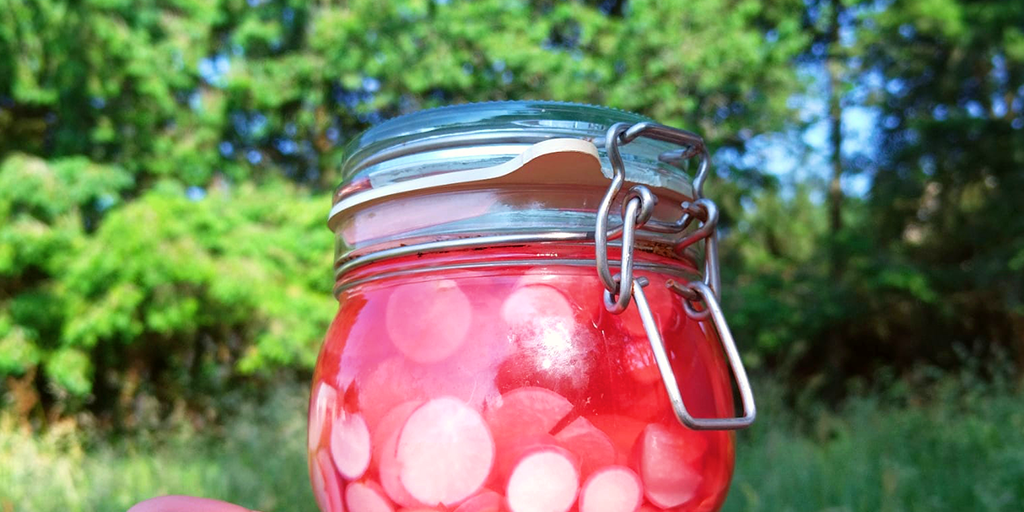
Easy to sow, easily germinated. You can put the seeds in the ground from early spring till late summer. The time it takes from seed to harvest is quick compared to other plants. Great way to spice up your salads. We made very nice pickled radishes!
2 Storage plants
You can only grow outdoors for a certain period; this is why it’s important to think ahead and store the surplus. In this list you’ll find plants that store well without conserving.
2.1 Potato
Like mentioned earlier we’ve had success growing potatoes this year using straw as mulch.
2.2 Pumpkin
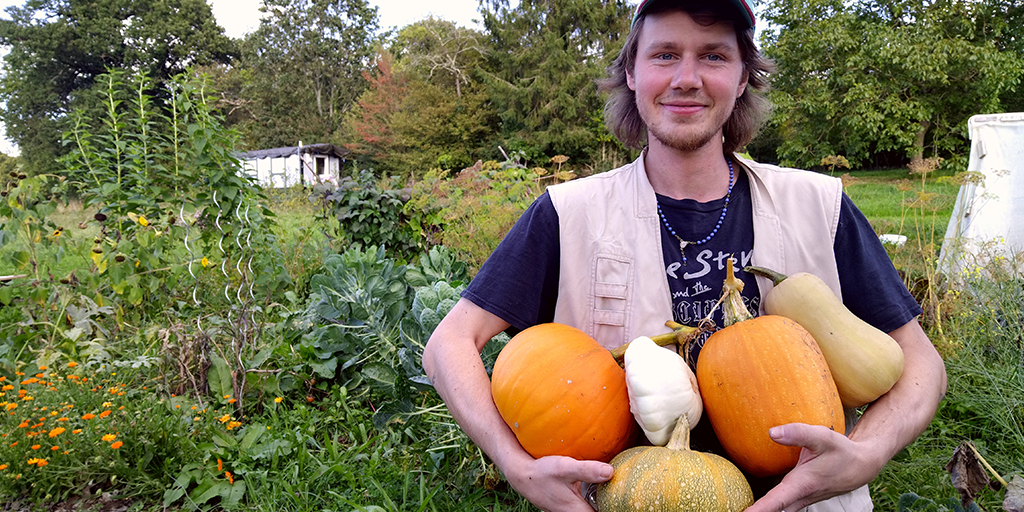
We had great success with growing pumpkins this year. We had a few different kinds and we counted over 70.
It’s not very challenging growing pumpkins. The challenging thing is finding new things to do with them while cooking. We sowed the pumpkins in little pots and later transplanted them in piles of old horse manure. The manure needs to be old otherwise the hot decomposing manure might burn the roots of your plants. After planting we spread some hay mulch to prevent weeds.
2.3 Garlic
You can smell garlic around the garden of freedom everyday if not twice a day. Garlic was actually the first thing we planted on the property. We planted it in the fall of 2022 and harvested them in spring. We planted even more early spring but all this garlic together would not be enough to supply our garlic needs. More garlic is going to be planted in 2024.
2.4 Onion
Just like its close relative garlic, we enjoy onions a lot. We use them to cook and also add them in some of our pickles. And even though we harvested a lot of them this year we didn’t get close to our onion needs. You can plant them in early spring or in fall just like garlic. Make sure to dry them in the sun before hanging them up on a dry spot so they won’t get moldy.
3 Beans
It’s great to grow a variety of beans. You can eat them fresh or dry them to store for winter. Like mentioned before we have had some trouble with our low growing dwarf beans because of weed pressure but we did have some success with other varieties. It was also challenging to predict how much we needed to grow to be able to eat fresh beans in the growing season and also have enough to store for winter. I would now say you can’t really grow too many beans, because they are so delicious and are easily frozen or dried. Beans are nitrogen fixers which means they fertilize the soil naturally. The nitrogen binds to their roots in little nodules. It’s important to leave the roots of the bean plants in the soil after you harvest, the nitrogen will be released in the soil by doing this.
3.1 Blauhilde haricot vert
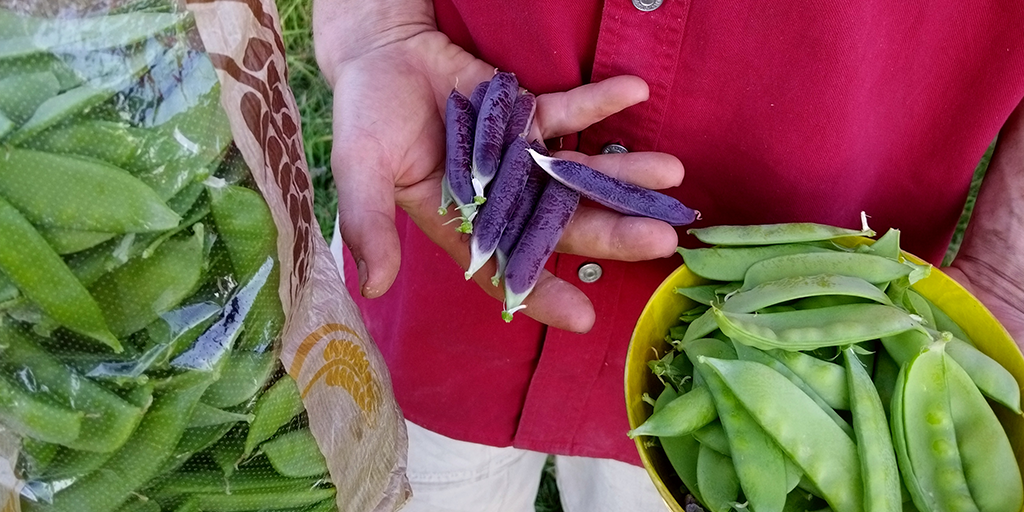
We got a pretty big amount of Blauhilde haricots this year. As the name implies the beans are blue, unfortunately they turn green when you boil them. We were able to freeze quite a few portions for this winter.
3.2 Snow peas
These vibrant green peas grew very well this year. They are climbers so we planted them against a gardening rack we brought with us from the Netherlands. Unlike the Blauhilde haricot vert we weren’t able to freeze some for winter because we didn’t have a freezer by that time.
3.3 Soybeans
We wanted to try growing soybeans and they did pretty well. They stay low like dwarf beans so they need to be weeded more than other beans. We liked them especially when they were still green. They are a great addition to a salad after a short boil.
4 Flowers & herbs
Flowers and herbs are great to add diversity in your garden, they can spice up your meals or make them look pretty. We have grown a few different kinds of flowers and herbs this year and plan to grow a lot more in the coming years. We made little moon shaped beds in the middle of our apple orchard. We made them by broadforking the grass where we wanted to make the beds, then we added a layer of old horse manure. We put a layer of cardboard on top of that manure. To finish the creation we put a mix of potting soil and compost on top of the cardboard. Then the beds were ready to put the seeds in.
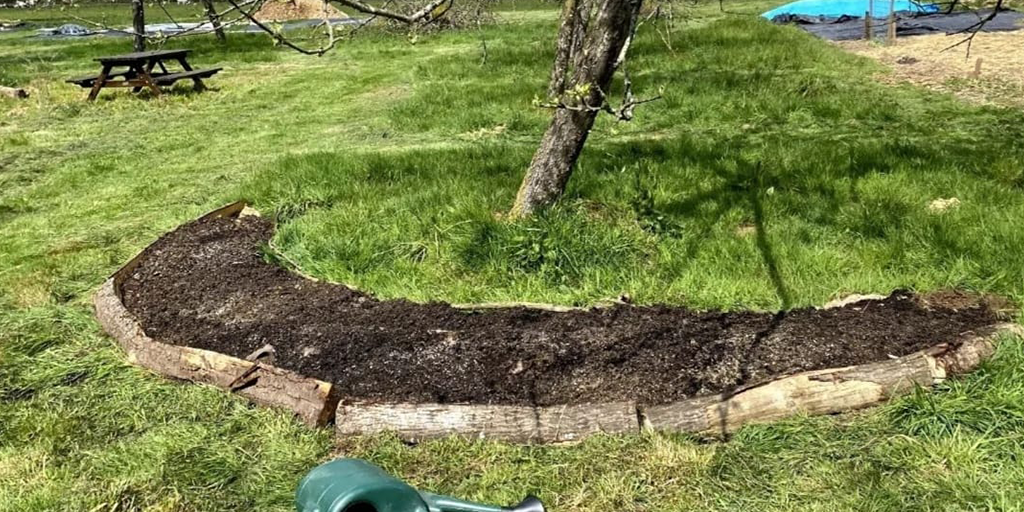
4.1 Dill
A commonly known herb with a delicious flavour. We use this herb a lot in cooking and have also used it on our sick chickens, it helped them with the flu they had through all the vitamins and minerals in it. People can also benefit from the medicinal properties of dill! It can be used for stomach and intestinal complaints and sleeping problems. The plant is great for attracting beneficial insects to your gardens.
4.2 Calendula marigold
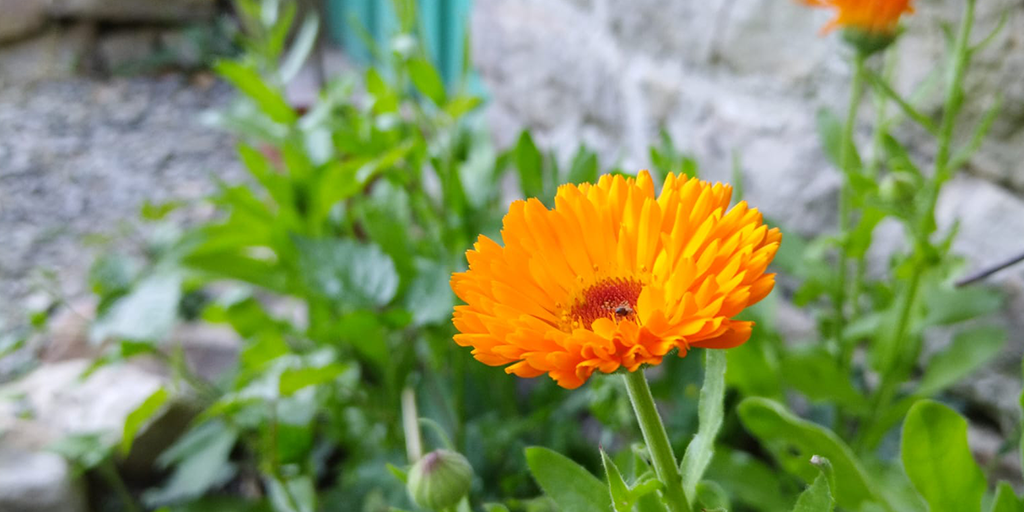
We have grown marigold in our permaculture garden. It is a great plant to attract bees. We are very happy with this flower because of its medicinal powers. We make salve from it because of its skin restorative powers. We drink tea from the dried petals for an immune system boost. The flowers are edible and a great way to make your salads and meals look pretty.
4.3 Coriander
Some say it tastes like soap and others love it. A cup of coriander tea can do wonders for your health. It has been used in medicine for centuries because of its high antioxidant content. The first evidence of coriander’s use dates back to 5000 BC, which makes it one of the oldest herbs in the world!
4.4 Common Mallow
A cheerful, beautiful and edible little flower! We love to brighten up our meals with flowers. Mallow has a fairly neutral taste and is incredibly healthy! Drinking a cup of mallow tea helps relieve sore throats and helps with throat infections and flu because of the mucilage in the plant.
4.5 Nasturtium
A great-tasting little plant! The leaves and flowers are edible and are slightly spicy. We like to add it to pesto, salads and to spice up other dishes. Nasturtium is a plant you’ll want to have in your vegetable garden! It attracts aphids, which is nice because that way you make sure the aphids don’t get on your broccoli or cabbage, for example.
4.6 Dog Rose
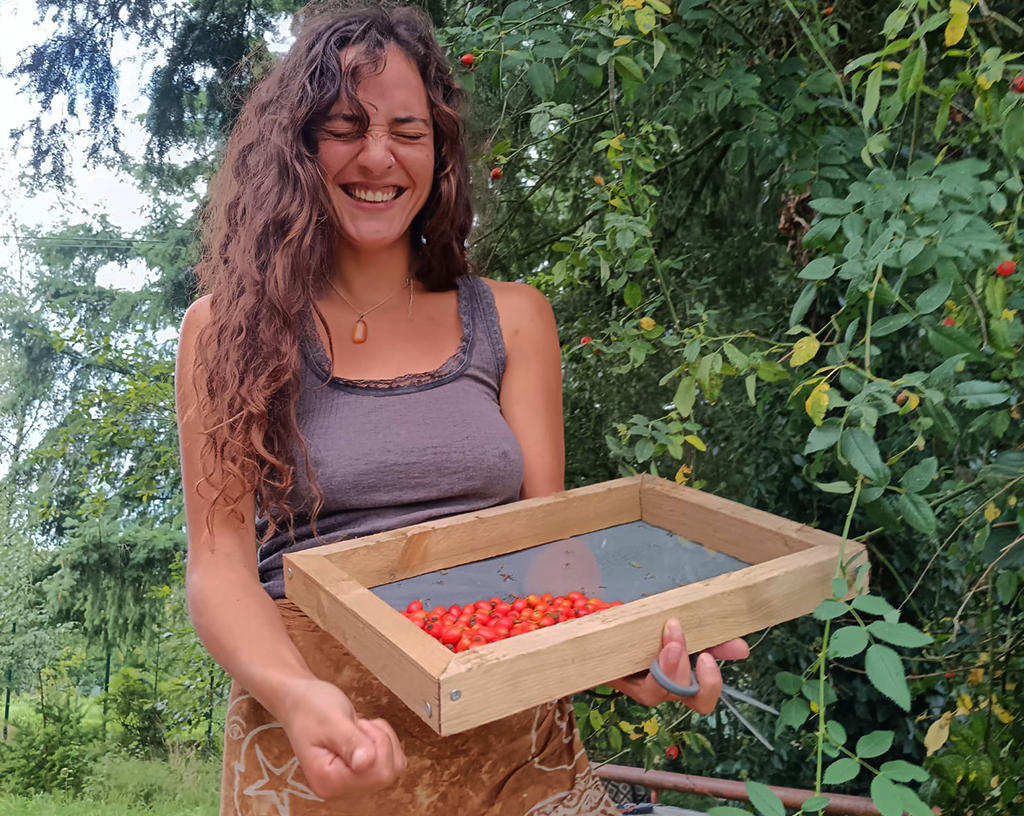
Rose, a beautiful plant to look at and also very tasty. A tea of rose petals warms my heart and has a relaxing effect. When the rose has finished blooming, it is time for the rose hips. True vitamin C bombs that are rich in antioxidants. We dry the rose hips and make tea from them.
4.7 Comfrey
A classic permaculture plant. It is able to reach nutrients from the lower soil layers using its deep taproots and by chopping and dropping the plants you make them available to the top layer. The plant survives this and soon after new leaves will appear.
5 Foraging, wild picking & gathering
Foraging in the wild is a great way to supplement your diet and help in becoming a bit more self-sufficient. It’s also a great way to feel more connected to nature and a sublime source of vitamins, nutrients and other goodness. Many many mushrooms have been foraged too, but we want to keep that information for later (when we are more experienced).
5.1 Sevenleaf
We have a big patch of Sevenleaf growing underneath the pine trees close to the house. It’s the worst nightmare of some gardeners but we were very happy with them because we had a reliable source of all sorts of goodness like vitamin C and calcium.
5.2 Stinging Nettle
The plant you would rather not touch but definitely want to use in the kitchen or in your medicine cabinet. The leaves are delicious in a soup and we love to make tea because it is full of good substances such as: Vitamin A and C, minerals, iron, phosphorus, bitters and much more.
5.3 Chestnuts
It’s very common here in the north of France to find wild chestnut trees growing next to the paths and roads. Popular for the ability of being easily coppiced for firewood production. Even though the nuts are smaller than the cultivated variety they still produce plenty of them. We foraged a lot of them this year and also put some in the freezer. They are a good source of protein. We want to plant a lot of chestnuts on our property too so we can become self-sufficient in our firewood needs as well.
5.4 Hawthorn berry
The bush that was traditionally in hedges to keep livestock in and wildlife out was already present on our land when we arrived. When cooked the berry’s can be delicious. We made a Hawthorn berry chutney that was well received here at our farm. It’s very good for your cardiovascular health but if you’re on heart medication you should avoid it. Fun fact: the Druids believed Hawthorne had the ability to wear off bad spirits.
5.5 Plantain
One of the most common plants in the world seems to be actually edible. If it’s the streets and parks of the Netherlands we’re we come from, or the Normandy countryside, you’ll always be able to find it. I wouldn’t say it’s the most delicious but due to its availability it’s a great plant to add to your diet.
5.6 Cleavers
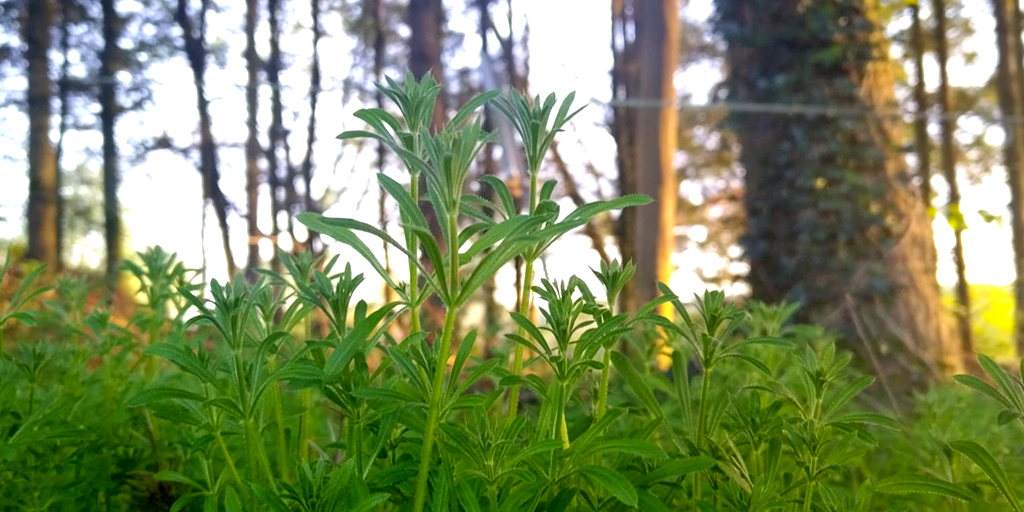
The plant you might know for sticking to your pants when you’re hiking has an astonishing amount of health benefits. It is said that it doesn’t only stick on the outside but that when eaten waste products stick to it and help detoxify your body. We have eaten it a lot in the period before our garden started to produce. If you want to know more, look at our “weekly wisdom” post on social media.
6 Other successes
6.1 Courgette/Zucchini
At some point we had so much courgette that we joked that you had to eat at least one a day. Did you have your courgette today? Very generous plant that provides plenty throughout the season. We have frozen courgettes soup starter in our freezer and we even tried pickling some, the result left us with mixed opinions.
6.2 Cucumber
A salad isn’t as fresh and crisp if there is no cucumber in it. We enjoyed plenty of cucumber enriched salads throughout the season. We did notice that some cucumbers were bitter and it turns out that cucumbers that grow from male flowers taste that way. Cucumber plants do need a lot of water and don’t let them dry out too much because you might not be able to receive them.
6.3 Pickles (augurken)
Very similar to cucumber but smaller and a little bit more firm. This is helpful so they stay crisp while pickling them. We put them in jars with vinegar and sugar to make them sweet and sour.
6.4 Daikon
This plant is part of the radish family and like its little brother it is easy to grow. We have sown it multiple times throughout the season and we’re successful every time. You end up with nice loose soil after harvesting Daikon, perfect for planting something new.
6.5 Parsnip
Like many vegetables and plants on this list it was also our first time growing parsnips. It doesn’t germinate that easily like others but once we got them started they grew slow but steady. We had a good harvest, a whole crate full from only one bed. We like to add them to soups or out of the oven with some garlic and herbs.
6.6 Carrots
First time we sowed our carrot seeds it didn’t germinate as hoped. Carrot seeds need to stay moist to be able to germinate and we did let them dry out. The second time we sowed our seeds we covered them with transparent plastic and they did way better.
6.7 Amaranth
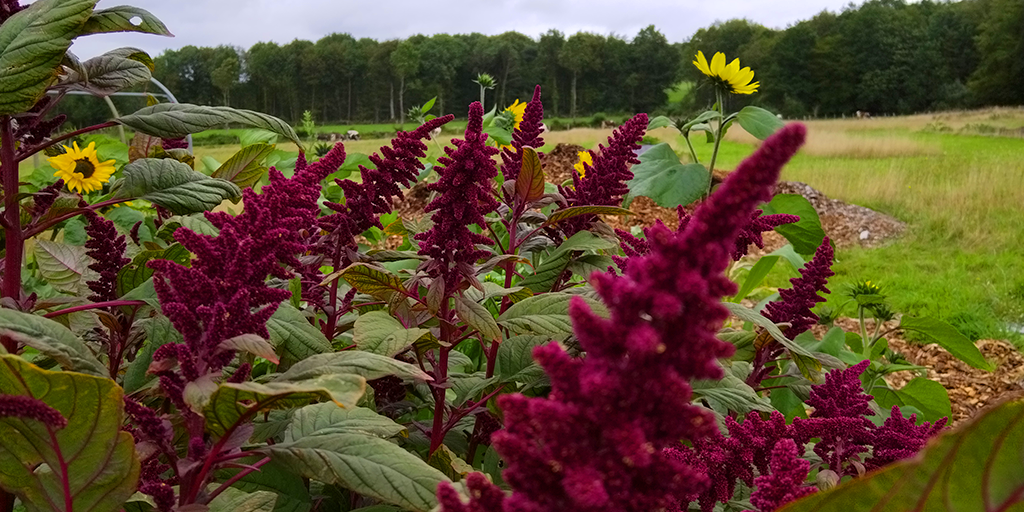
One of our favorites of this season. We put the seed in our growing-treys and planted the little red baby plants in our garden bed. We were amazed by the beauty of this plant in every stage of its development. The eye-catching red flowers slowly turn black as the seeds develop. At the end of summer we cut them off and harvested the seeds. We need to perfect the technique to get the miniscule flower petals separated from the seed because it was a bit time consuming. Next year more amaranth at the Garden of Freedom.
6.8 Jerusalem Artichoke
Jerusalem Artichoke grows tall, a bit like sunflower. The great thing about them is that they are very resilient. You can leave a few tubers in the ground to resprout the following year.
Failures
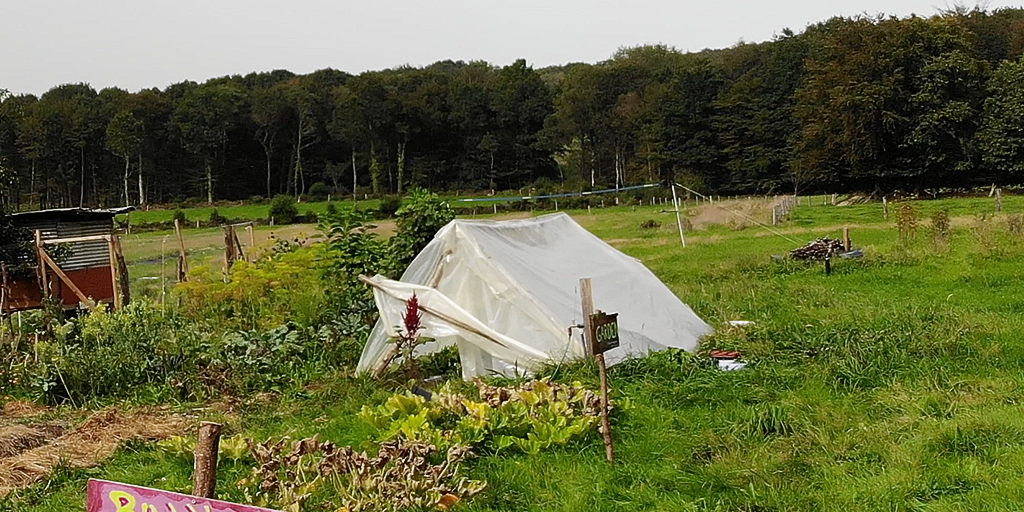
Not everything went right this year. We had a lot of seeds that did not germinate. We are not 100% sure what the reason for this was. It might have been that some seeds were expired or that the trays dried out. We had some issues with snails in our improvised greenhouse (see picture below). After dealing with the snails and the impracticality of our improvised greenhouse we still had plenty of seedlings to plant in the ground but next year we hope to exclude a lot of this issues by growing on tables in our new greenhouse.
We weren’t so lucky with growing tomatoes this year, even though they did germinate and grew to a good size. By the time the tomato plants were supposed to bare fruit they started having trouble with a mold called mildew.
One of our first gardening projects at our farm was the planting of strawberry plants that we got as a gift from our local friend. We removed a part of the root cloth that we laid there the previous winter and broadforked the soil. We planted the strawberries and covered the bare soil with some straw mulch to prevent the weeds from taking over. The strawberry plants grew well, we did have to weed it now and then. We thought it was going well with the strawberries until the end of summer. When you’re constantly busy with different things around the farm it’s easy to let a piece of garden out of your sight for a few weeks and that is exactly what happened. The beds were completely taken over by a weed called creeping buttercup. It’s hard to weed because it grows a little bit like strawberry and before you know it you have pulled out a strawberry plant in the process. We know we will make a lot more mistakes in the future but we don’t get frustrated by them too much because we know this is how we learn.
Future plan(t)s
Wintertime is a perfect time to plan for the upcoming growing season. Like mentioned before we want to finish building our greenhouse early 2024 so we can start early with our seedlings. In the greenhouse we plan to grow a lot of plants that like warmer conditions such as tomatoes, peppers, aubergines, sweet potatoes and more. Speaking of plants that like warmer temperatures, we want to try out growing ginger in our greenhouse next year. The greenhouse will also help us to extend the growing season so we can grow things like spinach and radishes earlier in spring and also later in fall. We hope to have more success growing gourmet herbs like sage, lavender and rosemary from seed. We have a few more fun plants we hope to grow next year. Here is a list of them:
| Coneflowers | Pepino melon pear | Lavas (Maggi herb) |
| Asparagus | Chives | Rhubarb |
| Savory | Cucamelon | Cumin |
| Hibiscus | Ananas Melon | Fennel |
| Pigeon peas | Kale | Aster |
| Egyptian walking onion | Absint (against pests) | Compositae (meisjesogen) |
| Lupini beans | Chamomile | Parsley |
| Lima beans | Claytonia Perfoliata | Chicory |
| Flat / Romano beans | Celeriac | Chervil |
| Mint | Cress | Lemongrass |
| Crosne | Red cabbage | Quinoa |
| Okra | White cabbage | Sugar beet |
| Medlar (foodforest) | Hysop | Cape gooseberry |
Our permaculture design is still in progress and we plan to plant a lot of trees in the ground before spring but I think it might be wise to leave that subject for our next article. We hope you enjoyed this article and if you have any tips or questions let us know in the comment section below.
Warmth, love and best wishes for all of you,
Garden of Freedom
